
-
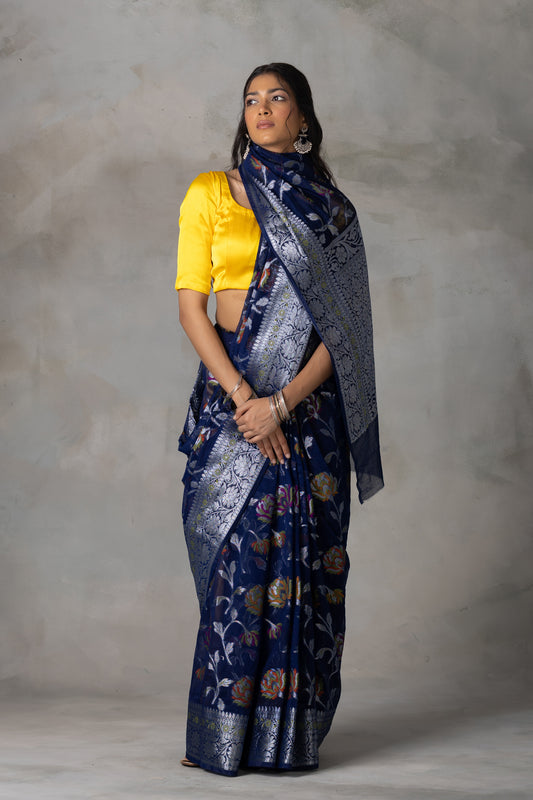
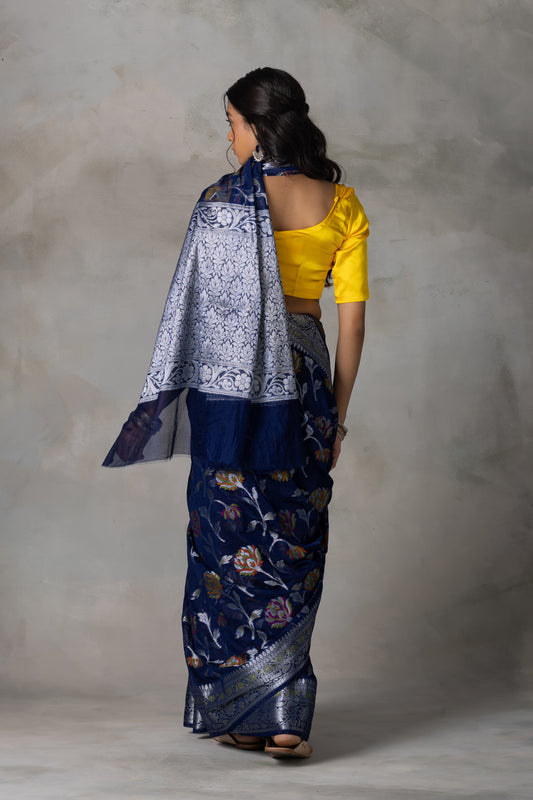
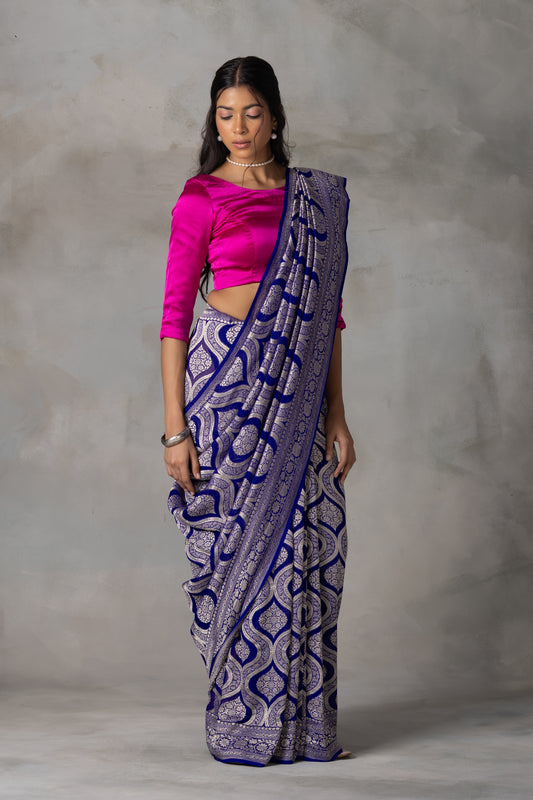
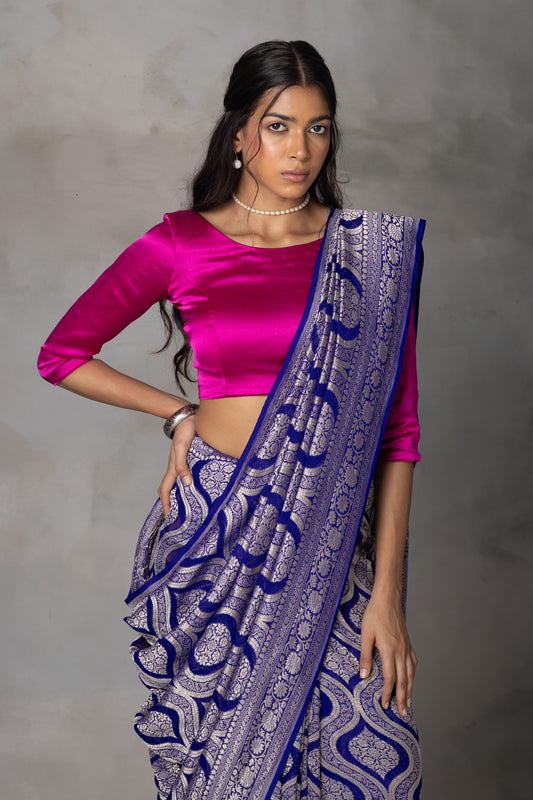
Navy Blue Banarasi Georgette (Chiffon) Saree with Silver Zari & Meenakari Floral Weaving
Regular price Rs. 8,999.00Regular priceUnit price perRs. 11,999.00Sale price Rs. 8,999.00Sale -
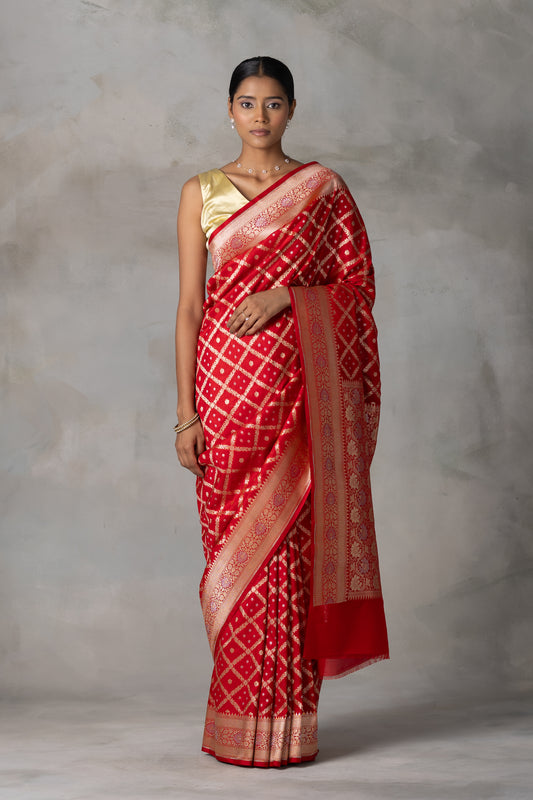
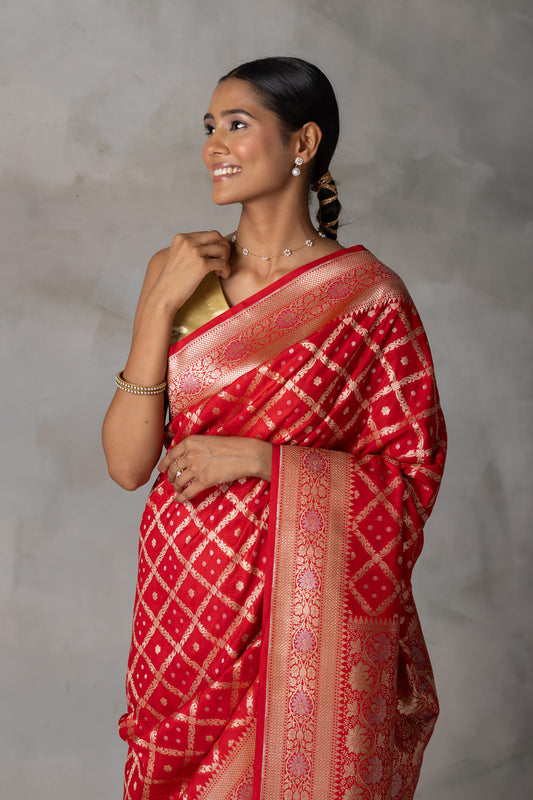
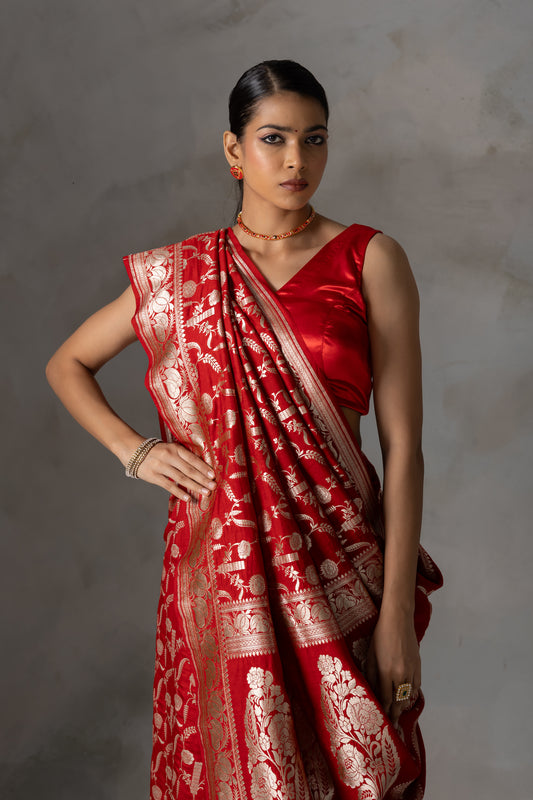
Classic Red Banarasi Silk Saree with Gold Zari Checks
Regular price Rs. 13,499.00Regular priceUnit price perRs. 16,999.00Sale price Rs. 13,499.00Sale -
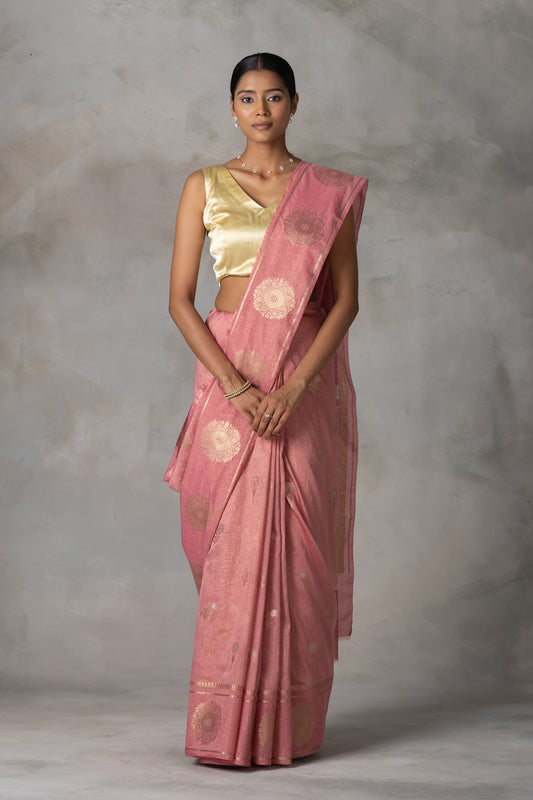
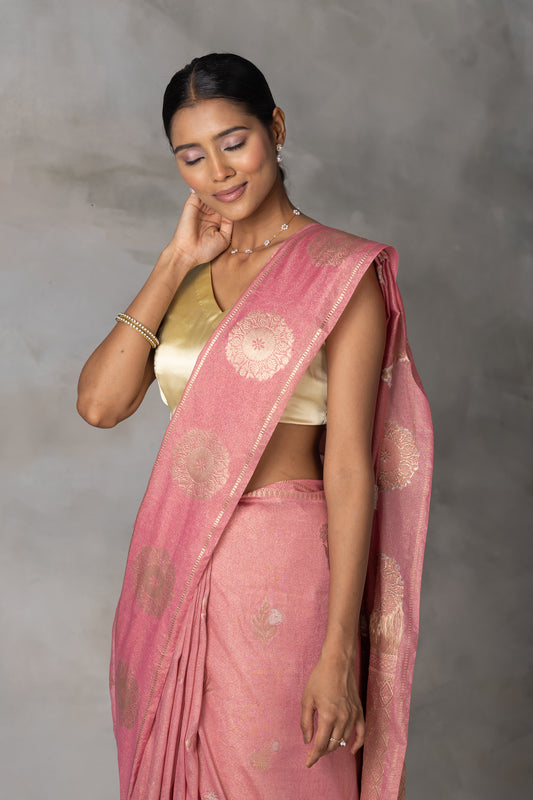
Blush Pink Tissue Banarasi Saree with Gold Zari Motifs
Regular price Rs. 9,499.00Regular priceUnit price perRs. 12,999.00Sale price Rs. 9,499.00Sale -
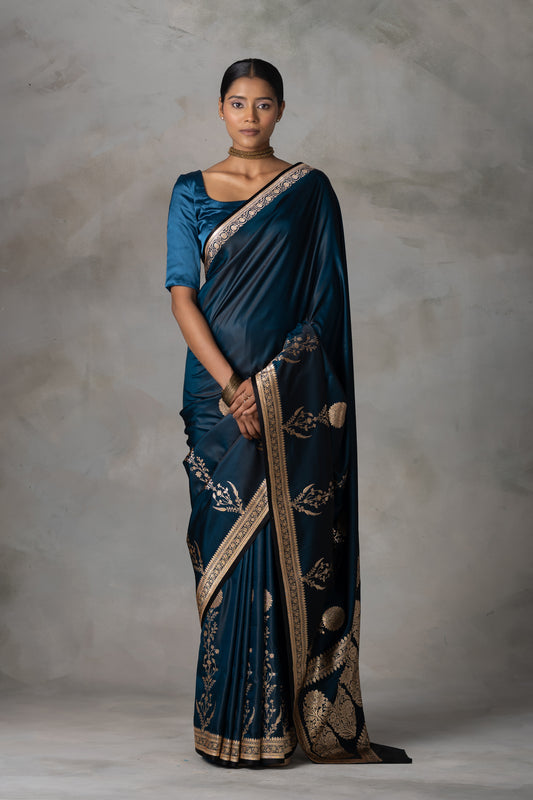
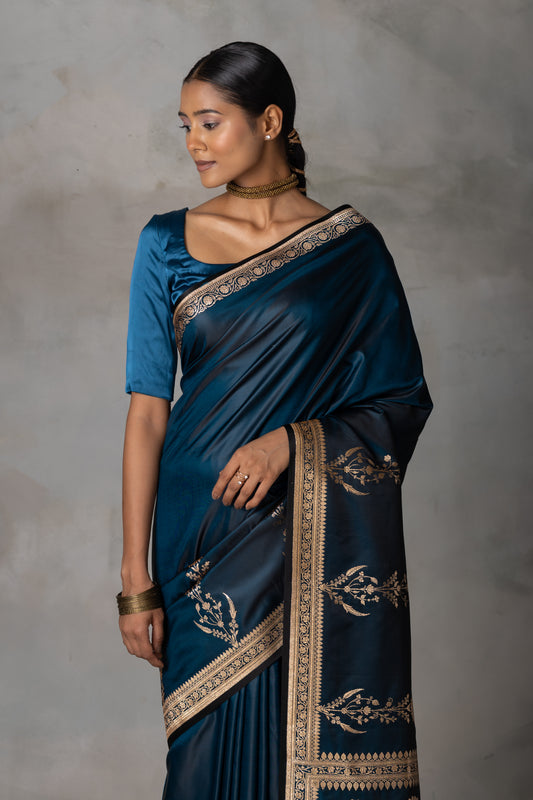
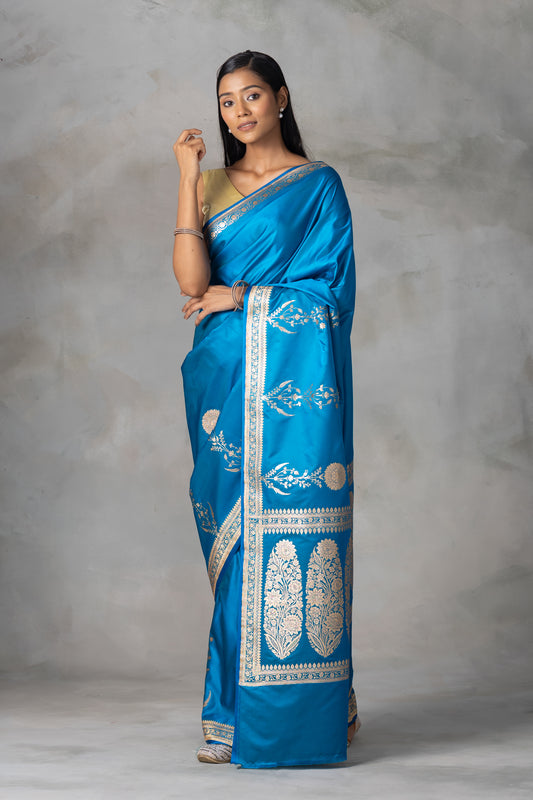
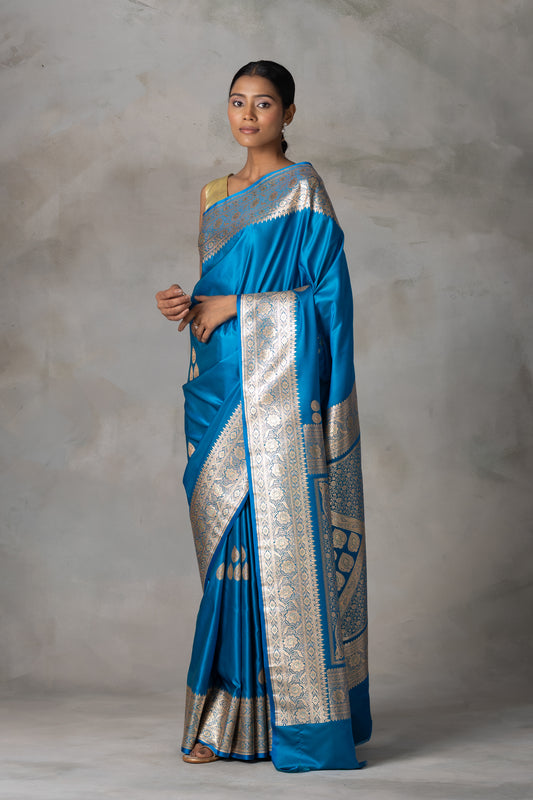
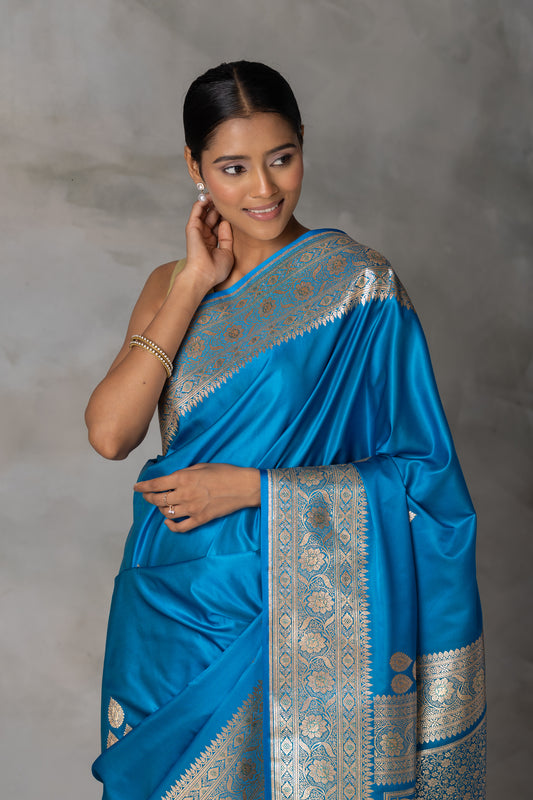
Teal Blue Banarasi Silk Saree with Gold Zari Work
Regular price Rs. 15,499.00Regular priceUnit price perRs. 17,999.00Sale price Rs. 15,499.00Sale -
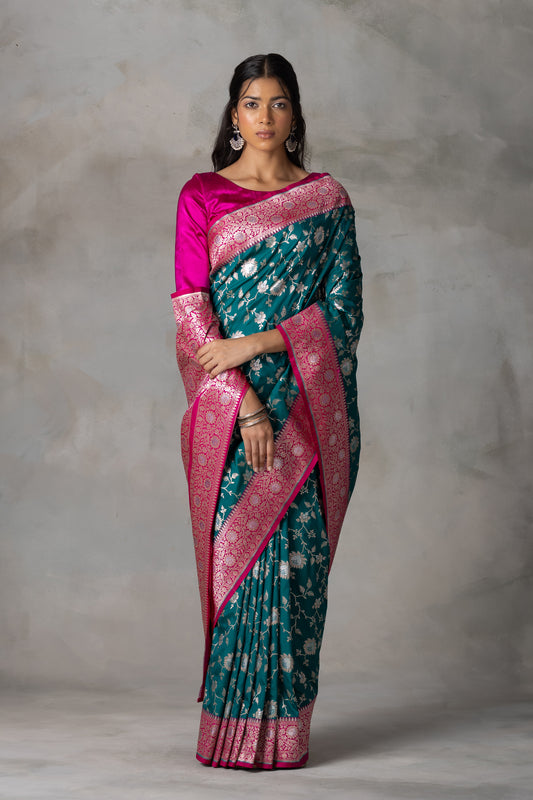
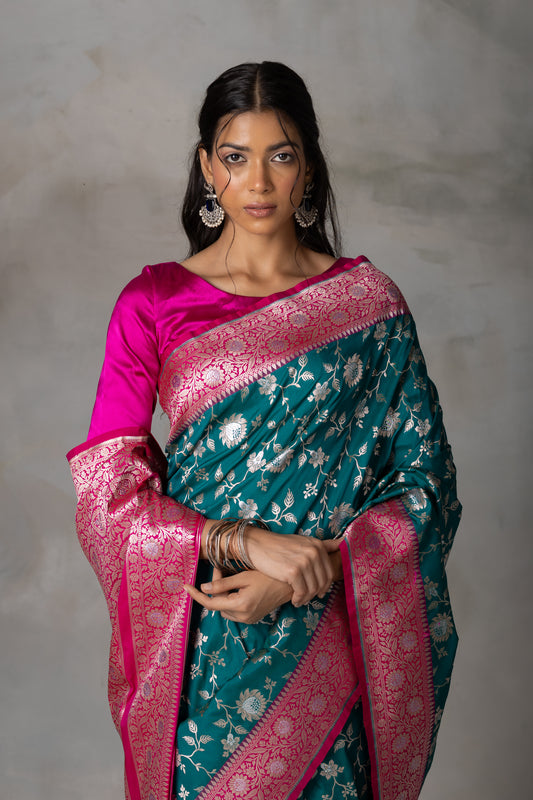
Teal and Rani Pink Banarasi Silk Saree with Gold & Silver Zari Work
Regular price Rs. 11,999.00Regular priceUnit price perRs. 14,999.00Sale price Rs. 11,999.00Sale -
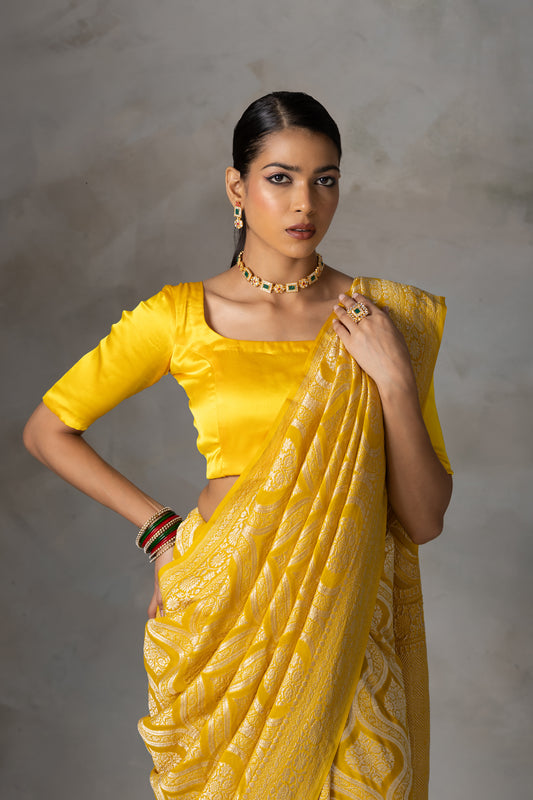
Sunshine Yellow Banarasi Georgette (Chiffon) Saree with Golden Zari Weaving
Regular price Rs. 28,499.00Regular priceUnit price perRs. 30,999.00Sale price Rs. 28,499.00Sale -
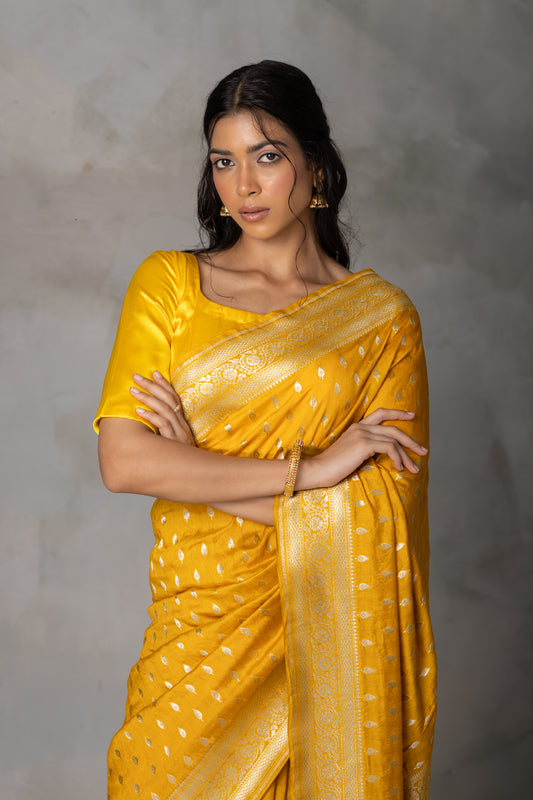
Sunlit Mustard Banarasi Silk Saree with Zari Butidar Motifs
Regular price Rs. 10,499.00Regular priceUnit price perRs. 12,999.00Sale price Rs. 10,499.00Sale -
Rudrakshi Red Banarasi Silk Saree with Meenakari Zari Work
Regular price Rs. 41,999.00Regular priceUnit price perRs. 44,999.00Sale price Rs. 41,999.00Sale -
Royal Maroon Banarasi Silk Saree with Antique Zari Work
Regular price Rs. 15,499.00Regular priceUnit price perRs. 17,999.00Sale price Rs. 15,499.00Sale -
Royal Magenta Banarasi Handloom Saree with Intricate Zari
Regular price Rs. 13,999.00Regular priceUnit price perRs. 15,999.00Sale price Rs. 13,999.00Sale -
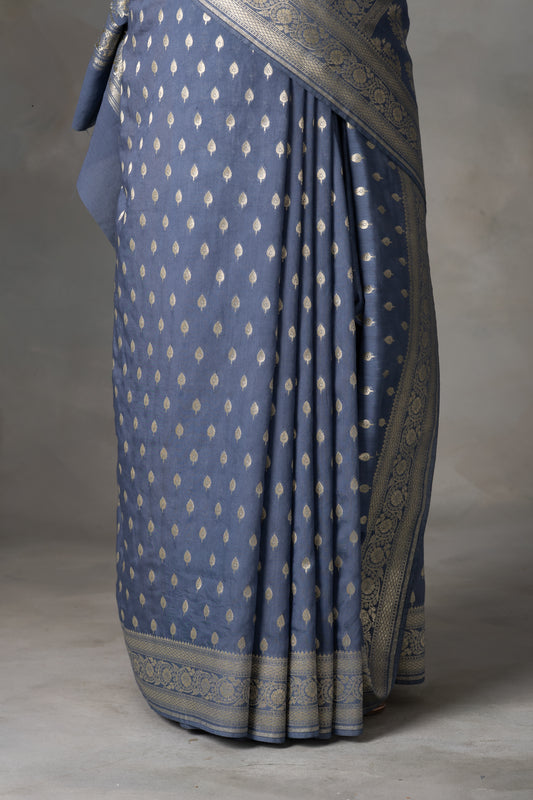
Royal Grey Banarasi Art Silk Saree with Fine Zari Buties
Regular price Rs. 10,499.00Regular priceUnit price perRs. 12,999.00Sale price Rs. 10,499.00Sale -
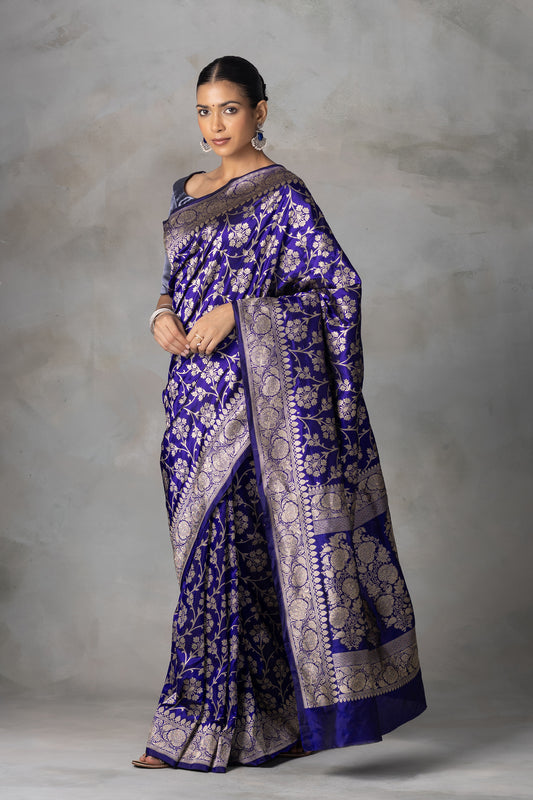
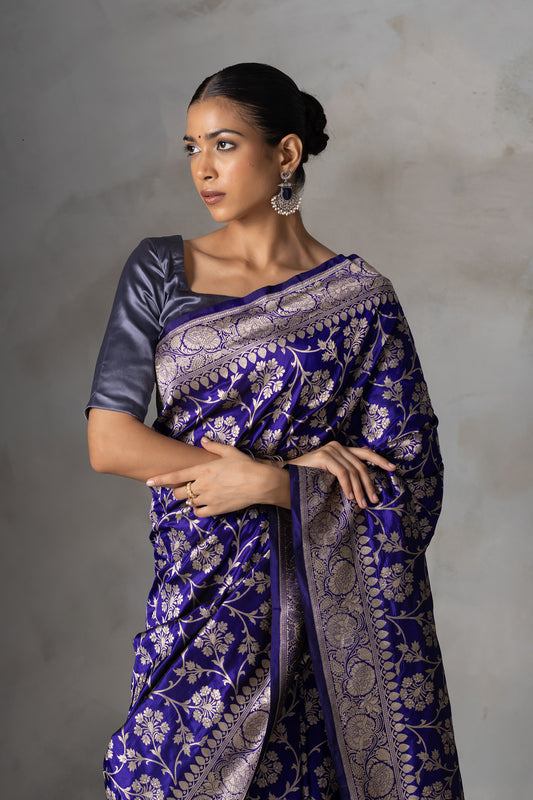
Royal Blue Banarasi Silk Saree with Gold Zari Floral Jaal
Regular price Rs. 28,499.00Regular priceUnit price perRs. 30,999.00Sale price Rs. 28,499.00Sale -
Royal Blue Banarasi Silk Saree with Gold & Silver Floral Zari Motifs
Regular price Rs. 15,499.00Regular priceUnit price perRs. 17,999.00Sale price Rs. 15,499.00Sale -
Royal Blue Banarasi Saree with Zari Detailing
Regular price Rs. 15,499.00Regular priceUnit price perRs. 17,999.00Sale price Rs. 15,499.00Sale -
Royal Blue Banarasi Georgette (Chiffon) Saree with Golden Zari Weaving
Regular price Rs. 28,499.00Regular priceUnit price perRs. 30,999.00Sale price Rs. 28,499.00Sale -
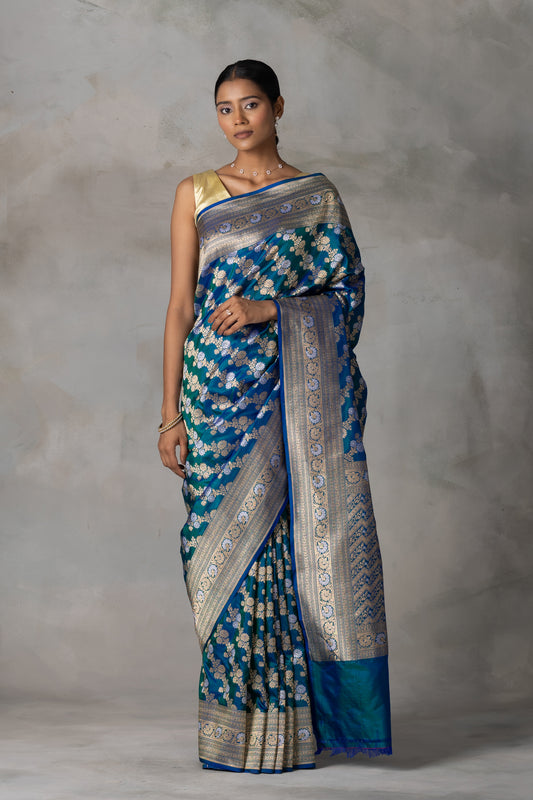
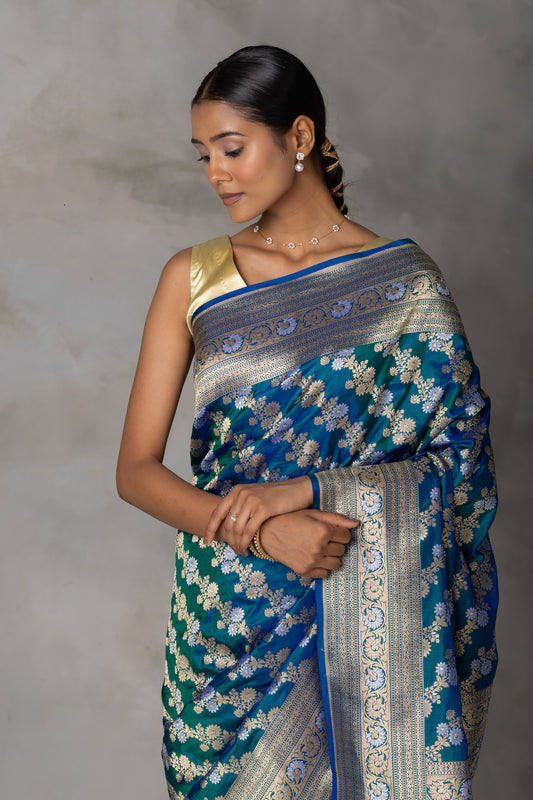
Royal Blue & Emerald Banarasi Silk Saree with Gold & Silver Floral Zari
Regular price Rs. 40,999.00Regular priceUnit price perRs. 43,999.00Sale price Rs. 40,999.00Sale -
Red Rose Banarasi Handloom Silk Saree with Gold Zari Weaving
Regular price Rs. 10,499.00Regular priceUnit price perRs. 12,999.00Sale price Rs. 10,499.00Sale -
Rani Pink Butidar Banarasi Silk Saree
Regular price Rs. 16,799.00Regular priceUnit price perRs. 18,999.00Sale price Rs. 16,799.00Sale -
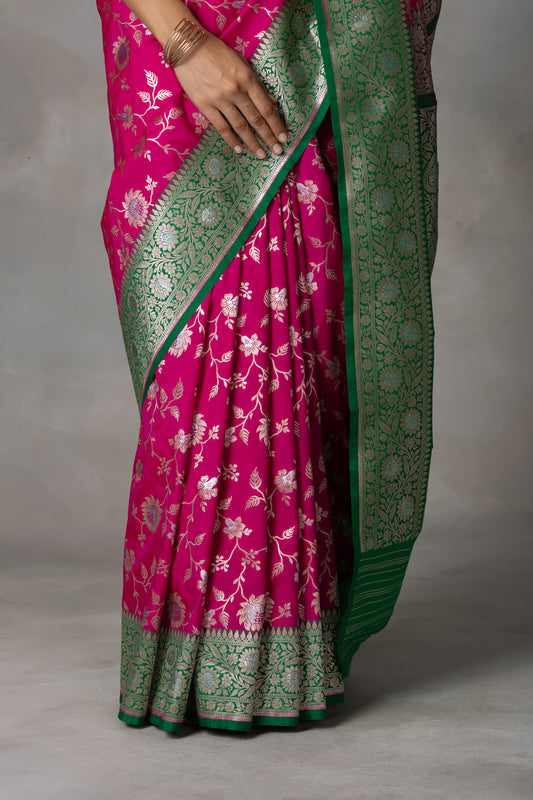
Rani Pink Banarasi Silk Saree with Bottle Green Border & Zari Work
Regular price Rs. 11,999.00Regular priceUnit price perRs. 14,999.00Sale price Rs. 11,999.00Sale -
Radiant Violet Handwoven Banarasi Saree
Regular price Rs. 10,499.00Regular priceUnit price perRs. 12,999.00Sale price Rs. 10,499.00Sale



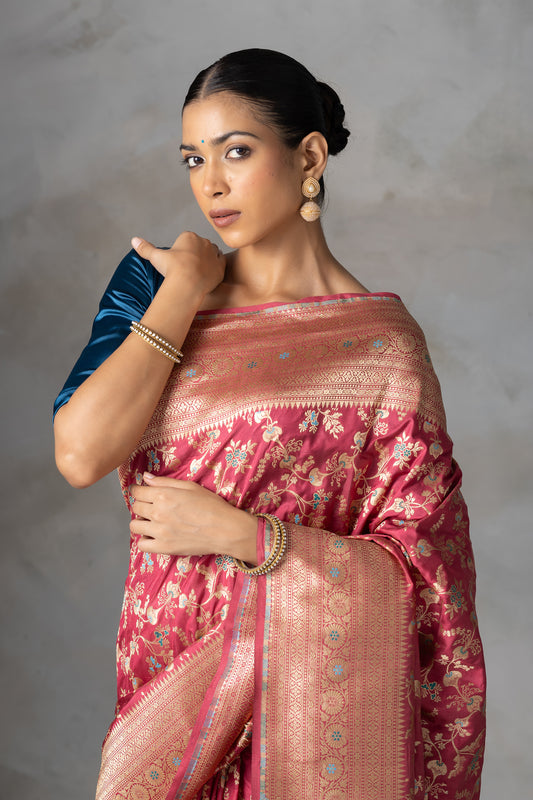

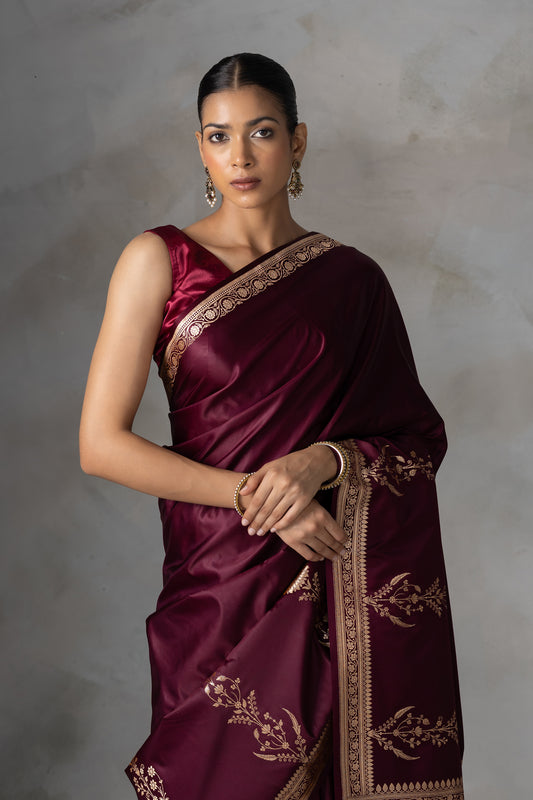

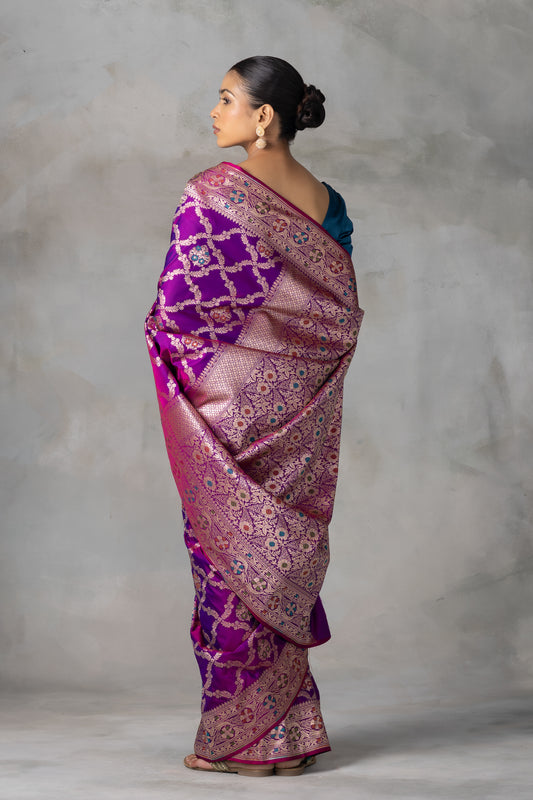
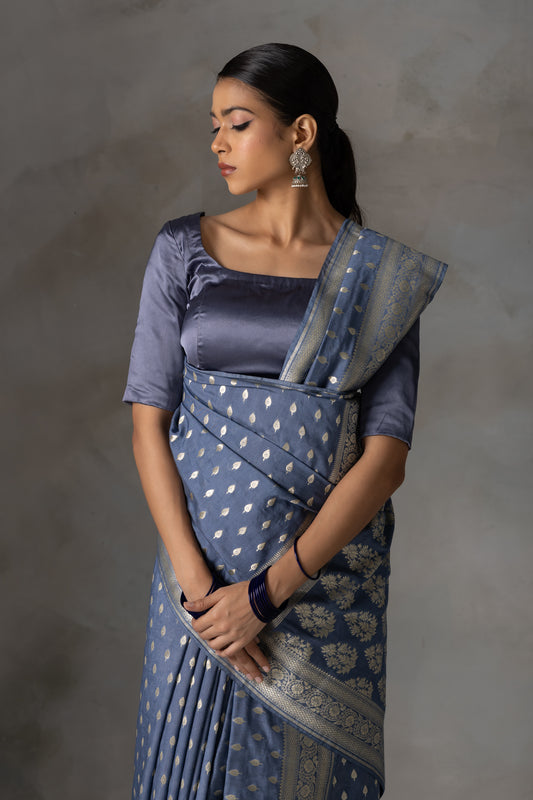






Banarasi Sarees: The Timeless Heritage of Varanasi
There are sarees, and then there are heirlooms. A Banarasi saree is almost always the latter.
Originating from the ancient city of Varanasi (Benares), these six yards of elegance are more than just garments; they are a woven chronicle of India’s history. Characterized by their opulent zari work, intricate Mughal-inspired motifs, and luxurious weight, the Banarasi saree is often the centerpiece of an Indian bride's trousseau.
Whether you are looking for a heavy Katan silk for a wedding or a lightweight Georgette for an evening soiree, our collection brings you the authentic craftsmanship of Varanasi’s master weavers.
Types of Banarasi Sarees: Know Your Fabric
Not all Banarasi sarees feel the same. The texture, drape, and occasion depend entirely on the base fabric used.
1. Katan Silk (Pure Silk)
This is what most people picture when they think of a "Banarasi Saree." Katan is created by twisting pure silk threads together to create a durable, lustrous fabric. It is the gold standard for weddings due to its sturdy nature, which holds heavy zari embroidery without sagging.
2. Banarasi Georgette (Khaddi)
For those who find Katan too heavy, Georgette is the answer. Made from highly twisted yarns, these sarees offer a fluid, bouncy drape. They are lighter, easier to manage, and perfect for summer weddings or contemporary styling.
3. Organza (Kora Silk)
Sheer, crisp, and ethereal. Banarasi Organza sarees are distinguished by their see-through texture and shimmering zari work. They offer a sophisticated, modern silhouette but require careful handling due to their delicate nature.
4. Shattir
Shattir is the fabric of accessibility. It is lighter and more affordable than pure Katan, making it the preferred choice for daily wear or lighter festive occasions.
Popular Banarasi Weaves & Designs
The magic of a Banarasi lies in the weave. The technique defines the price and exclusivity of the saree.
- Jangla: One of the oldest weaving techniques, featuring lush, all-over vegetation motifs (Jangla means Jungle). These are heavy, intricate, and highly prized for bridal wear.
- Tanchoi: A satin-finish weave that typically uses silk threads for patterns rather than heavy zari. The result is a smooth, jamawar-style look that is understated yet regal.
- Butidar: The classic "polka dot" of the ethnic world. The saree is peppered with small gold or silver motifs (butis) floating on a solid background.
- Cutwork: Using the "cutwork" technique on a plain texture, weavers remove the floating threads on the back of the saree after weaving, creating a transparent look similar to Jamdani but at a more accessible price point.
How to Identify an Original Banarasi Saree
With the market flooded with powerloom replicas, identifying an authentic Banarasi saree is a critical skill for the buyer.
- The Reverse Side Test: In a handloom saree (especially those using the Kadwa technique), the reverse side will be neat with no loose threads. Powerloom sarees often have a "mesh" of loose threads on the back.
- The Pin Test: Genuine silk is strong. If you press a pin into the fabric, the holes should not persist; the threads should move back into place.
- The GI Tag: Look for the Geographical Indication (GI) tag, which certifies that the product originates from the weavers of Varanasi.
- The Fall: Pure silk is heavy but drapes effortlessly. Synthetic imitations often feel stiff or uncomfortably slippery.
Banarasi Saree vs. Kanjivaram Saree
Two queens of Indian silk, distinct in their royalty.
|
Feature |
Banarasi Saree |
Kanjivaram Saree |
|
Origin |
Varanasi (North India) |
Kanchipuram (South India) |
|
Motifs |
Mughal influence: Ambi (mango), floral vines, kalga. |
Temple influence: Checks, temple borders, mythological scenes. |
|
Zari |
Often uses gold and silver threads interlocked. |
Uses silver thread dipped in gold; very high durability. |
|
Texture |
Can range from crisp Organza to soft Satin. |
Generally thicker and more structural than Banarasi. |
How to Choose the Right Banarasi Saree
- For the Bride: Go for a Red or Maroon Katan Silk with a heavy Jangla weave. It photographs beautifully and carries the weight of tradition.
- For the Guest: A Banarasi Georgette or Tanchoi in pastel shades (peach, mint, powder blue) offers elegance without overshadowing the bride.
- For Corporate/Formal: A Shattir or minimal Butidar saree in darker tones like navy or bottle green makes a powerful statement.
Banarasi Saree Price Guide
Why does one saree cost ₹5,000 and another ₹1,50,000?
The price of a Banarasi saree is dictated by three factors: Yarn Quality, Zari Purity, and Weaving Time.
- ₹3,000 – ₹8,000: Usually Shattir or mixed fabrics (semi-silk) with tested zari. Good for gifting or casual wear.
- ₹10,000 – ₹25,000: Pure Katan or Georgette with standard motifs.
- ₹25,000 – ₹1,00,000+: Heirloom quality. These involve pure gold/silver zari, complex Kadwa hand-weaving techniques, and can take a weaver 3 to 6 months to complete.
Care Tips for Banarasi Silk Sarees
A Banarasi saree is an investment that should last generations.
- Storage: Never hang them on metal hangers for long periods. Wrap them in white muslin cloth to prevent the zari from oxidizing (turning black).
- Washing: Always opt for dry clean only. Water can damage the sheen and structure of the silk.
- Airing: Change the folds every 3-4 months to prevent permanent creasing or tearing at the fold lines.
FAQs
What is a Banarasi saree?
A Banarasi saree is a saree made in Varanasi, India, known for its gold and silver brocade (zari), fine silk, and opulent embroidery. It is traditionally considered a status symbol and a wedding staple in India.
Are Banarasi sarees pure silk?
Authentic traditional Banarasi sarees are made from pure silk (Katan). However, variations exist in Organza (Kora), Georgette, and Shattir. Always check for the "Silk Mark" or assurances of "Pure Silk" when buying.
How to check authenticity?
Look for the slight imperfections characteristic of handloom weaving. Check the reverse side for the floating threads (in cutwork) or neat finishing (in Kadwa). The most reliable test is buying from a trusted heritage store.
What is the price range of Banarasi sarees?
Prices range significantly based on authenticity. A polyester copy can cost ₹2,000, while a genuine handloom Pure Silk Banarasi starts around ₹10,000 and can go up to ₹2,00,000 or more for antique gold zari pieces.
Difference between handloom & powerloom?
Handloom sarees are woven by hand, taking weeks or months, resulting in a softer texture and unique imperfections. Powerloom sarees are machine-made, produced in hours, and often have a flatter, stiffer finish.